Amidst the rolling hills of Chianti, where vineyards stretch as far as the eye can see, lies an adventure waiting to be discovered. Cycling through this breathtaking scenery, one can’t help but feel a sense of freedom and connection with nature.
But what truly sets this experience apart is not just the landscape; it’s the promise of a journey that tantalizes the senses and offers a glimpse into the heart of Tuscan culture. Join in on this exploration that combines the thrill of biking with the indulgence of wine tasting, a perfect harmony that leaves travelers yearning for more.
Just The Basics
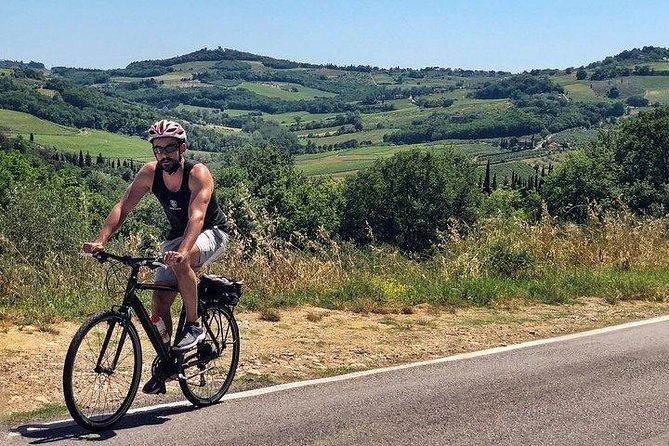
- Explore Chianti countryside on bike, enjoying scenic vistas and historic castles
- Indulge in wine and olive oil tasting at a Tuscan villa
- Ride at a leisurely pace suitable for all fitness levels
- Engage in an active tour of Tuscany, combining exercise with picturesque views
It's also worth checking out some other tours and experiences nearby.
Tour Itinerary Overview
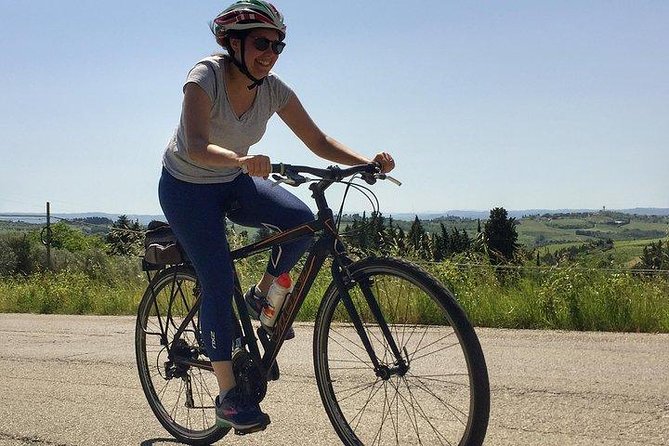
Embark on the Tuscany Bike Tours with Wine Tasting to experience a delightful journey through the Chianti countryside, pedal past valleys, hills, and olive trees, and indulge in a memorable lunch at a Tuscan villa.
The tour offers a scenic 2-hour bike ride, with the option to use an Ebike for added ease. It includes stops for Chianti wine and olive oil tastings along the way.
The hill climb towards the end may present a challenge, but the reward is lunch at a historic castle where more wine and oil tastings await.
This tour is perfect for those seeking an active exploration of Tuscany’s beauty, with the added bonus of culinary delights and cultural experiences.
Inclusions and Logistics Details
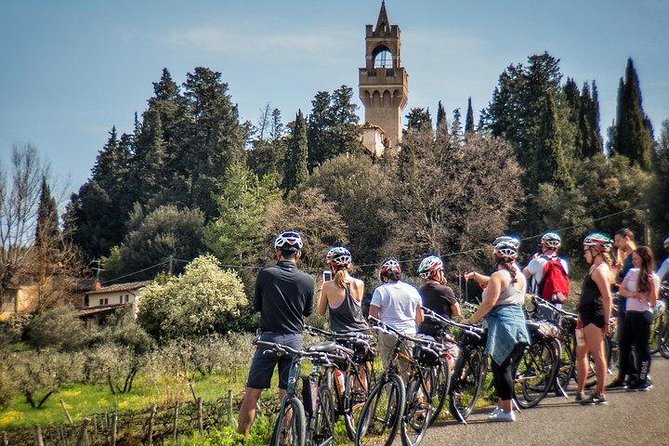
For participants of the Tuscany Bike Tours with Wine Tasting, the adventure begins with round trip transport from Florence to the meeting point at Via Ghibellina, 52, Firenze FI, Italy. Engaging and professional tour guides lead the way, ensuring a memorable experience.
The tour includes wine and olive oil tastings, with bikes, helmets, orientation, and safety briefing provided. Guests can opt for an Ebike for an easier ride. It’s important to note that cancellations are accepted up to 24 hours in advance for a full refund.
This weather-dependent tour requires a minimum number of travelers. Overall, participants can expect a well-organized and immersive journey through the stunning Chianti countryside, peppered with delightful wine and olive oil tastings.
Customer Reviews Summary
Starting with insights from recent participants, the customer reviews for the Tuscany Bike Tours with Wine Tasting showcase an overwhelmingly positive experience, with a 5.0 rating based on 1,220 reviews.
Travelers on Viator highly praised the detailed positive reviews, with special mention of the tour guide Angus. Participants highlighted the wonderful wine tour, enjoyable lunch, and the sense of accomplishment from conquering the challenging hill climb.
The guides’ knowledge about wineries was also commended. Many found the ride fun, informative, and the wine and olive oil tour interesting.
Safety Measures and Convenience
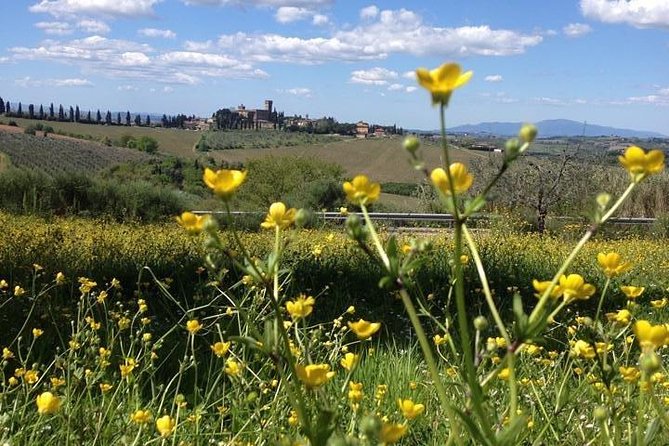
The tour guides prioritize safety and convenience for all participants, ensuring a worry-free and enjoyable experience exploring the Chianti countryside on the Tuscany Bike Tours with Wine Tasting. They take several measures to ensure a smooth and secure journey:
-
Guides are always nearby: A van with a bike rack follows the group throughout the tour.
-
Suitable for all: The leisurely pace is appropriate for anyone in decent shape, making it accessible to a wide range of participants.
-
Gear up for hills: The bikes are equipped with gears, making uphill rides easier and more manageable.
-
Informative and friendly guides: The tour guides aren’t only knowledgeable but also create a welcoming and safe environment for all riders.
Top Recommendations and Highlights
As participants journey through the Chianti countryside on the Tuscany Bike Tours with Wine Tasting, they are treated to a multitude of top recommendations and highlights that showcase the beauty and charm of the region. The tour offers scenic vistas for picturesque moments, a ride past olive groves and wineries, and a visit to an incredible castle. Highly recommended for an active exploration of Tuscany, fit individuals with an Ebike will find the ride wonderful. The leisurely pace allows for enjoying the stunning scenery, making it suitable for those who appreciate countryside views with some exercise.
| Top Recommendations and Highlights | ||
|---|---|---|
| Scenic Vistas for Pictures | Olive Groves and Wineries | Visit to an Incredible Castle |
Scenic Vistas and Photography Opportunities
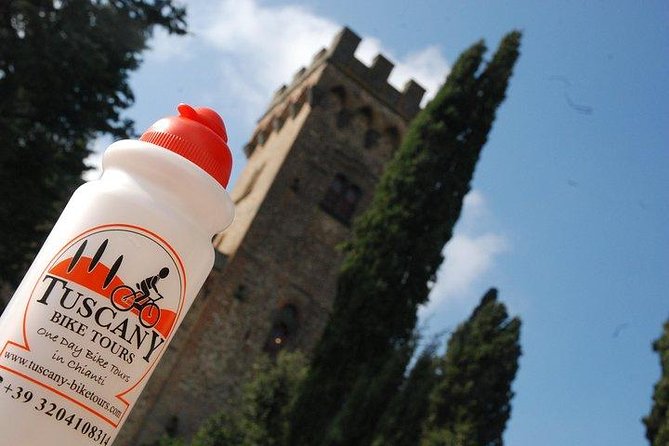
With breathtaking views around every corner, cyclists on the Tuscany Bike Tours with Wine Tasting are presented with ample opportunities to capture stunning landscapes and create lasting memories through photography. The Chianti Hills offer a picturesque backdrop for your photos, with rolling vineyards, ancient castles, and charming villages dotting the landscape. Here’s why the scenic vistas and photography opportunities on this tour will leave you in awe:
-
Immerse in the Beauty: Lose yourself in the beauty of the Chianti countryside.
-
Capture Memories: Snap photos of sun-kissed vineyards and historic landmarks.
-
Create Masterpieces: Let your creativity flow as you frame the stunning landscapes.
-
Cherish Forever: Take home visual treasures that will remind you of this unforgettable journey.
Olive Groves and Wineries Exploration
Exploring the lush olive groves and charming wineries on the Tuscany Bike Tours with Wine Tasting immerses participants in the authentic flavors and scents of the region. Cyclists pedal through picturesque landscapes adorned with sprawling olive trees, breathing in the sweet fragrance of the vineyards as they pass by.
The tour offers a unique opportunity to witness the intricate process of olive oil and wine production up close, enhancing the understanding and appreciation of these local treasures. Visitors can indulge in tastings of exquisite Chianti wines and premium olive oils, savoring the fruits of the land in a genuine Tuscan setting.
This experience not only delights the palate but also provides insight into the rich agricultural traditions that define this enchanting region.
Castle Visit and Wine Tasting Experience
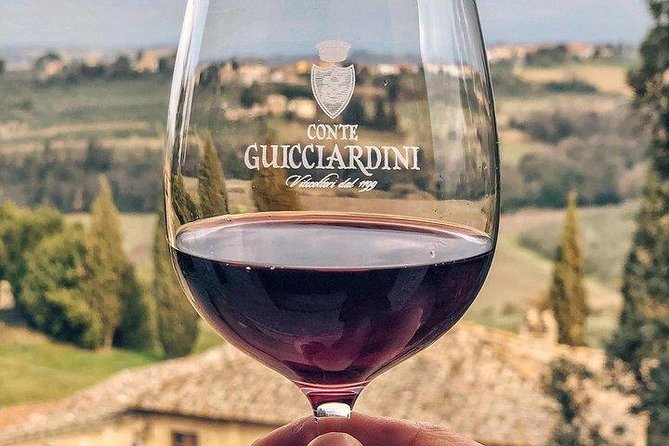
Indulge in a captivating journey through a historic castle while savoring the exquisite flavors of fine wines during the Tuscany Bike Tours with Wine Tasting experience. Here’s why this experience is a must-do:
- Enjoy the rich history and charm of a centuries-old castle.
- Delight your taste buds with a selection of premium wines during a guided tasting.
- Enjoy the picturesque surroundings of the castle grounds, adding to the magic of the moment.
- Learn about the winemaking process and the unique characteristics of Chianti wines from knowledgeable guides.
This castle visit and wine tasting combination promises a truly unforgettable and enriching experience for all participants.
Here's a few more nearby tours and experiences we think you'll like.
- Cooking Class and Lunch at a Tuscan Farmhouse With Local Market Tour From Florence
- Florence Highlights and Hidden Corners Walking Tour
- Small-Group Wine Tasting Experience in the Tuscan Countryside
- Chianti Safari: Tuscan Villas With Vineyards, Cheese, Wine & Lunch From Florence
- Uffizi Gallery Small Group Tour With Guide
- Florence Vespa Tour: Tuscan Hills and Italian Cuisine
Frequently Asked Questions
Are There Any Vegetarian or Vegan Options Available for the Lunch at the Tuscan Villa?
Vegetarian and vegan options are available for lunch at the Tuscan villa. The tour ensures dietary needs are met, offering a variety of delicious dishes that cater to different preferences, ensuring all guests enjoy a satisfying meal.
Can Participants Bring Their Own Bikes or Are They Required to Use the Bikes Provided by the Tour?
Participants are required to use the bikes provided by the tour. Bringing personal bikes isn’t allowed. The tour ensures all equipment is in good condition for a safe and enjoyable experience through the Chianti Hills.
Is There a Restroom Available Along the Route for Participants to Use During the Bike Tour?
During the bike tour, participants can access restrooms at specific stops along the route. These facilities are strategically located to ensure comfort and convenience for all riders throughout the Chianti Hills exploration.
Are There Any Age Restrictions for the Bike Tour? Can Children Participate?
Children aged 14 and above can participate in the bike tour. It’s a great family activity for older kids. The guides ensure everyone’s safety, and the leisurely pace makes it suitable for those looking to enjoy Tuscany’s beauty on two wheels.
Is There a Weight Limit for Participants Who Want to Use an Ebike During the Ride?
There’s no weight limit for using an Ebike on the tour. Participants can enjoy the ride regardless of weight. The Ebike option offers a smoother journey through the Chianti countryside, ensuring a pleasant experience for all.
Not for you? Here's more of our most recent tour reviews happening neaby
- Florence to Cinque Terre Private Trip by Ferry or Train
- Florence and Wine Tasting: Shore Excursion From La Spezia
- Day Trip to Florence From Rome
- Florence: Full-Day Excursion From Rome
- From Florence: Private Day Tour to Cinque Terre
- From Florence: Private Day Tour to Pisa and Cinque Terre
- Private Day to Pisa and Florence From the Port of Livorno
- Bolgheri / Volterra / Florence-Tour in Ferrari
- 8-Hours Panoramic Private Tour to Florence Cultural History
- The Mall Reggello Private Shopping Tour From Florence
- Best of Tuscany: Full Day Private Tour Val Dorcia
- Exclusive Private Balloon Tour for 2 in Tuscany
- Ferrari Lamborghini Pagani Factories and Museums – Bologna
- From Florence: 4-Day Tuscany Highlights Tour
- Florence: Symbolic Wedding and Vows Renewal Package
Final Words
Embark on the adventure of a lifetime with Tuscany Bike Tours Through the Chianti Hills. From picturesque landscapes to wine tasting experiences, this tour offers a perfect blend of nature, culture, and gastronomy.
With engaging guides, safety measures in place, and unforgettable memories waiting to be made, this excursion is a must for anyone looking to explore Tuscany in a unique and active way.
Don’t miss out on this enriching journey through the heart of Italy’s stunning countryside.